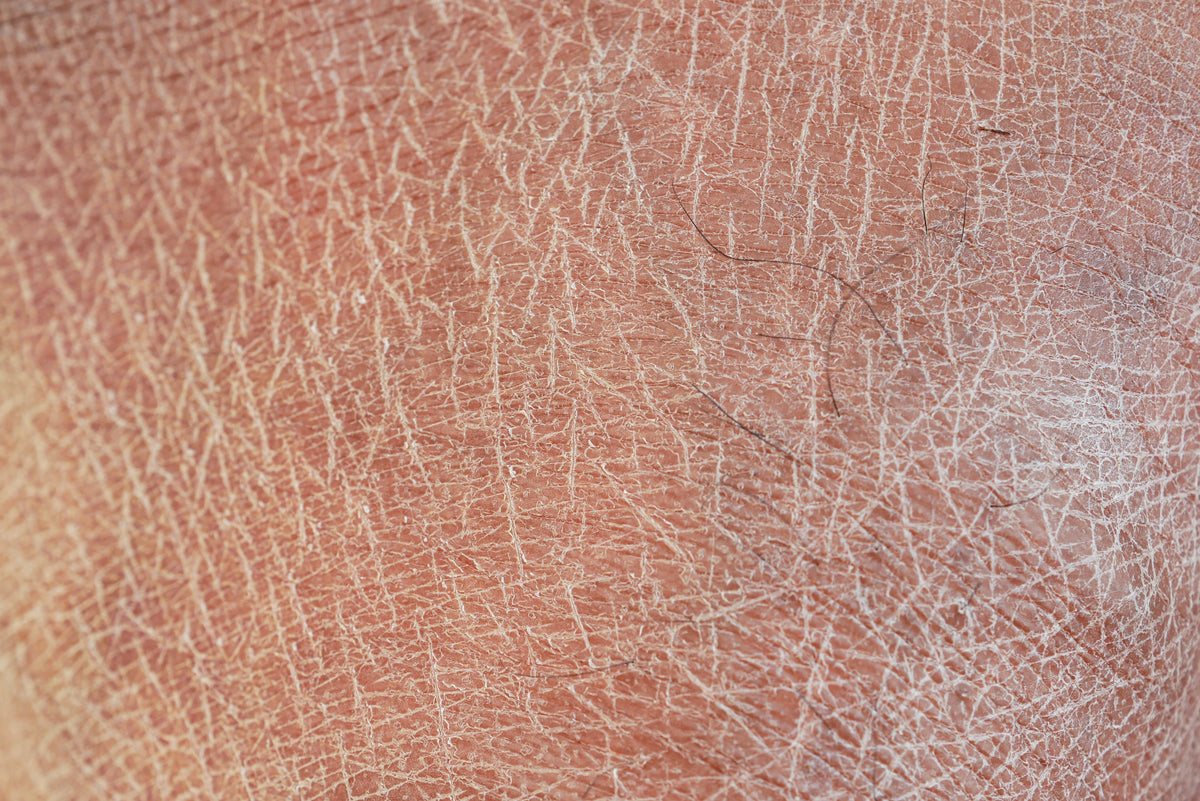
Hard water contains dissolved minerals, mainly calcium and magnesium. Many people notice that it leaves their skin feeling dry or tight after a shower, and that soap does not rinse off as cleanly.
So how do you fix it? The honest answer depends on what is actually causing the dryness, and it starts with a fact many shower filter brands skip over.
Shower filters do not soften water
Removing calcium and magnesium takes a dedicated water softener, usually installed for the whole house. A shower filter has only a second or two of contact with fast-moving water, which is not enough to remove hardness minerals in any meaningful way.
AquaYouth shower filters are not water softeners, and we do not claim they are.
Then why do people say filtered water feels softer?
Because hard water is often only part of the story. Most city water is also treated with chlorine or chloramine. Those disinfectants are what many people react to in the shower: the pool-like smell and the dry, tight feeling afterward.
A shower filter can reduce chlorine (carbon) or neutralize chlorine and chloramine (Vitamin C). When that disinfectant is gone, many people say the water feels gentler, even though the minerals are still there.
How to tell which problem you have
- White spots on glass, scale on fixtures, soap that will not lather: these point to hard water minerals. A water softener is the real fix.
- A chlorine smell, or skin and hair that feel dry right after showering: these often point to disinfectant. A shower filter can help.
Many homes have both. In that case a shower filter handles the disinfectant side, and a softener handles the minerals.
A note on skin conditions
If you have eczema, psoriasis, or another skin condition, talk to a dermatologist. A shower filter is not a treatment for any skin condition.
To learn more, read our full guide: Do shower filters soften hard water?